Word Classes: Persons, Places, And Things
In this article, we will delve into three fundamental word classes in English: persons, places, and things.
No products in the cart.


In this article, we will delve into three fundamental word classes in English: persons, places, and things.

Below, there is a list of vocabulary items that exist in the unit about Formal Informal, And Non-Formal Education, Ticket To English.

This article explores personalized learning in education, its benefits, challenges, and its potential to reshape the future of education.

“Revolutionizing Education With The Power Of AI” explores the use of AI in education: its benefits, challenges, and future possibilities.

This article, Pronunciation Of The Past Simple Ending “-ed”, explores the three rules of pronouncing the “-ed” ending: /d/, /t/, or /ɪd/.
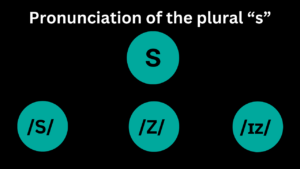
The pronunciation of the plural “s” in English can vary depending on the sound that comes before it: voiced, voiceless, or sibilant.

“Phonetic Symbols: A Key to Accurate Pronunciation”, discusses how phonetic symbols help learners achieve precise pronunciation.

This article, ‘How To Write An Argumentative Paragraph’ explores the essential elements and tips for writing an argumentative paragraph.

Mastering the pronunciation of the sound /e/ can be challenging. This article provides tips to improve your pronunciation of this sound.

“The Seven Habits of Highly Effective People” is a book written by Stephen Covey and published in 1989. It was translated into many languages.

If you want to know how to improve your listening skills, here are some techniques you can use and become a more effective communicator.

Developing your English speaking skills may seem daunting, but with the right approach, you can make progress and learn how to improve them.