
Pronunciation Of The Past Simple Ending “-ed”
This article, Pronunciation Of The Past Simple Ending “-ed”, explores the three rules of pronouncing the “-ed” ending: /d/, /t/, or /ɪd/.
No products in the cart.

This article, Pronunciation Of The Past Simple Ending “-ed”, explores the three rules of pronouncing the “-ed” ending: /d/, /t/, or /ɪd/.
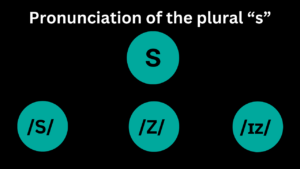
The pronunciation of the plural “s” in English can vary depending on the sound that comes before it: voiced, voiceless, or sibilant.

“Phonetic Symbols: A Key to Accurate Pronunciation”, discusses how phonetic symbols help learners achieve precise pronunciation.

Mastering the pronunciation of the sound /e/ can be challenging. This article provides tips to improve your pronunciation of this sound.

‘Pronouncing the Sound /ʌ/: A Comprehensive Guide’ unlocks the secrets of /ʌ/ pronunciation and enhances your communication abilities.

Pronunciation is a crucial aspect of language learning. This article focuses on the intricacies of the correct pronunciation of the sound /ɪ/

This article, “Phonetic Symbols (1)” focuses on five symbols: /f/, /tʃ/, /ɜː/, /ə /, and /n/, which represent unique melodies of sounds.

“Phonetic Symbols (2)” discusses the importance of these phonetic symbols in spoken English: /ɔɪ/, /ŋ/, /eɪ/, /θ /, /ʃ /, and /iː/.
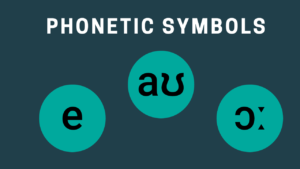
Phonetic symbols help learners understand the intricate sounds that form our words. This article explores three symbols: /e/, /aʊ/, and /ɔː/.

Phonetic symbols help learners decode the intricacies of sounds. This article, “Phonetic Symbols (4), focuses on the following symbols: /uː/, /r/, /q/, /əʊ/, and /g/

