
Phonetic Symbols (1)
This article, “Phonetic Symbols (1)” focuses on five symbols: /f/, /tʃ/, /ɜː/, /ə /, and /n/, which represent unique melodies of sounds.
No products in the cart.

This article, “Phonetic Symbols (1)” focuses on five symbols: /f/, /tʃ/, /ɜː/, /ə /, and /n/, which represent unique melodies of sounds.

“Phonetic Symbols (2)” discusses the importance of these phonetic symbols in spoken English: /ɔɪ/, /ŋ/, /eɪ/, /θ /, /ʃ /, and /iː/.
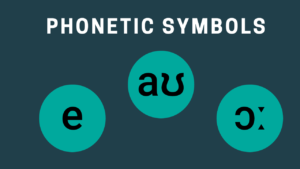
Phonetic symbols help learners understand the intricate sounds that form our words. This article explores three symbols: /e/, /aʊ/, and /ɔː/.

Phonetic symbols help learners decode the intricacies of sounds. This article, “Phonetic Symbols (4), focuses on the following symbols: /uː/, /r/, /q/, /əʊ/, and /g/


Learn 32 fruits and 8 vegetables in English with pictures, simple definitions and example sentences, plus taste adjectives, counting words and a quiz.

This article explores the uses and benefits of dragon fruits, lychees, pomegranates, apricots, blueberries, watermelon, kiwifruit, and pears.

This article, Fruits (3), takes a look at these summer fruits: avocados, bananas, mango, plums, oranges, dragon Fruits, and pineapples.

Fruits offer lots of health benefits. In this article, we delve into the characteristics of these three fruits(4): Durian, Grapes, and Lemon.

Fruits is a treasure of flavors and colors. In this article, we will dive into the realm of fruits (5): raspberries, lime, and berries.

Learn 85 countries in English with their flags, nationalities, languages and capital cities, plus nationality endings, using “the” with countries, and a quiz.