Jobs (2)
This article, Jobs (2), shines a spotlight on the vital roles of train drivers, SWAT officers, investigators, maids, doctors, and surgeons.
No products in the cart.


This article, Jobs (2), shines a spotlight on the vital roles of train drivers, SWAT officers, investigators, maids, doctors, and surgeons.

Jobs (3) is an article that this article that delve into six diverse professions: chef, farmer, door lady, secretary, librarian, and lawyer.

Jobs (4) explores the world of six extraordinary jobs: army medics, rescue squad members, astronauts, couriers, hostesses, and photographers.

This article delves into the world of six remarkable jobs (5): navy personnel, waitresses, builders, cleaners, hairdressers, and bakers.

This article discusses the world of six essential Jobs (6): road patrols, security officers, judges, air hostesses, bellmen, and nurses.
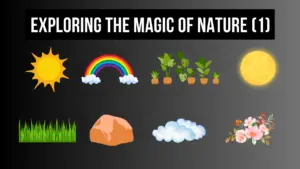
“Exploring The Maric Of Nature (1)” discusses the qualities of the moon, plants, rainbows, the sun, flowers, clouds, rocks, and grass.

“Exploring The Magic Of Nature (2)” delves into the qualities of snow, winds, stars, rain, trees, mountains, mushrooms, and leaves.

Expressing complaints is showing your dissatisfaction and displeasure in reaction to misconduct or unacceptable behavior from someone.

In this article, we will go through the following continents: Antarctica, Africa, Australia, South America, North America, Europe, and Asia.

Apologizing is to tell someone that you are sorry for having done something that might have caused displeasure and embarrassment for him.

Much and many are used to talk about quantities and numbers. Much indicates a large quantity, while many indicates a large number.

We use adverbs of frequency to specify how often we do things, and how often things happen. They always come before verbs but after be.