Means Of Transport (2): Buses, Double Deckers, Hot Air Balloons, and Trains
Buses, double-deckers, hot air balloons, and trains are transport forms. This article, Means Of Transport (2), shows their features and uses.
No products in the cart.


Buses, double-deckers, hot air balloons, and trains are transport forms. This article, Means Of Transport (2), shows their features and uses.

Rockets, shuttles, and garbage trucks are all vital means of transport. This article, Means Of Transport (3), shows their history and uses.

In this article, Means Of Transport (4), we will discuss four types of vehicles: gas trucks, ice cream vans, forklifts, and steamrollers.

In this article, Means Of Transport (5), we will explore four types of watercraft: fishing trawlers, steam engines, submarines, and boats.

In this article, Means Of Transport (6), we will discuss the features and uses of rafts, ships, passenger jets, and planes.

Prams, carriages, motorbikes, and bicycles are all transport modes. This article, Means of Transport (7), shows their, features, and uses.
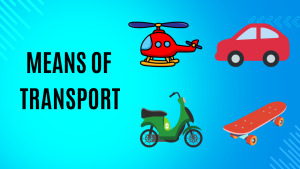
Cars, helicopters, electric scooters, and skateboards are vital means of transport (8). This article shows these vehicles’ features and uses.
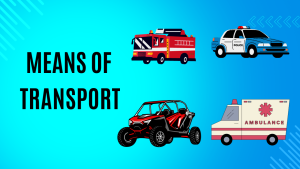
Police cars, fire trucks, ambulances, and buggies are essential means of transport (9). This article explores their, design, and features.

This article, “Phonetic Symbols (1)” focuses on five symbols: /f/, /tʃ/, /ɜː/, /ə /, and /n/, which represent unique melodies of sounds.

“Phonetic Symbols (2)” discusses the importance of these phonetic symbols in spoken English: /ɔɪ/, /ŋ/, /eɪ/, /θ /, /ʃ /, and /iː/.
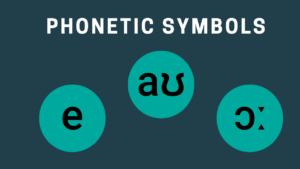
Phonetic symbols help learners understand the intricate sounds that form our words. This article explores three symbols: /e/, /aʊ/, and /ɔː/.

Phonetic symbols help learners decode the intricacies of sounds. This article, “Phonetic Symbols (4), focuses on the following symbols: /uː/, /r/, /q/, /əʊ/, and /g/