Past Simple
The past simple describes past actions that are not limited in duration,i.e., actions that happened in a second or thousands of years ago.
No products in the cart.

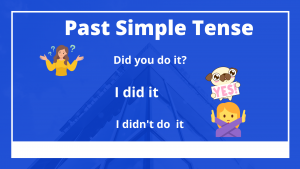
The past simple describes past actions that are not limited in duration,i.e., actions that happened in a second or thousands of years ago.

The past continuous is used with an action that was taking place at a point of time in the past, and with two past simultaneous actions.
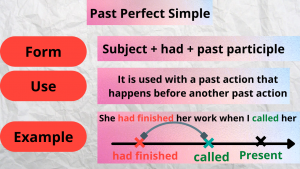
The past perfect simple tense is used to talk about an action that was completed at a given point in the past before something else happened.
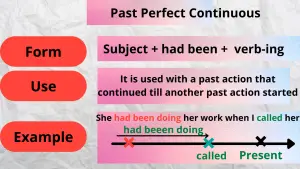
The past perfect continuous is used with an action or event that started in the past and continued until another action started.

The near future is used to make plans, predictions, and spontaneous decisions about the future at the time of speaking.

The future perfect simple is used with actions which, at a given point of time in the future, will be in the past or will have just finished.
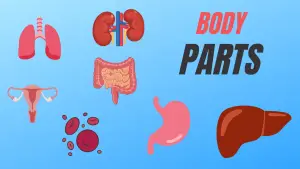
This post explores the following body organs, the lungs, kidneys, reproductive system, intestines, red blood cells, stomach, and liver.
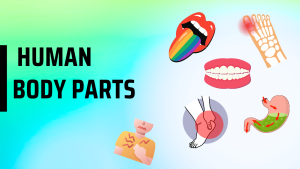
The human body is a complex, fascinating machine, made up of countless, different parts that work together to keep us alive and functioning.

This article, Body Parts (3), discusses the anatomy, function, and common injuries of the shoulders, legs, fingers, and nose

The mouth, hand, belly, elbow, and foot are all essential parts of the human body. This article explores their anatomy and functions.
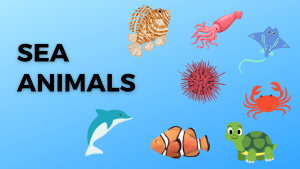
This article, Sea Animals (1) discusses eight sea animals: squid, lionfish, manta ray, sea urchin, crab, turtle, clownfish, and dolphin.
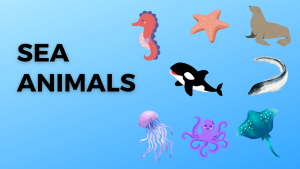
This article, Sea Animals (2) explores sea animals: sea lions, starfish, eels, orcas, stingrays, octopuses, jellyfish, and seahorses.